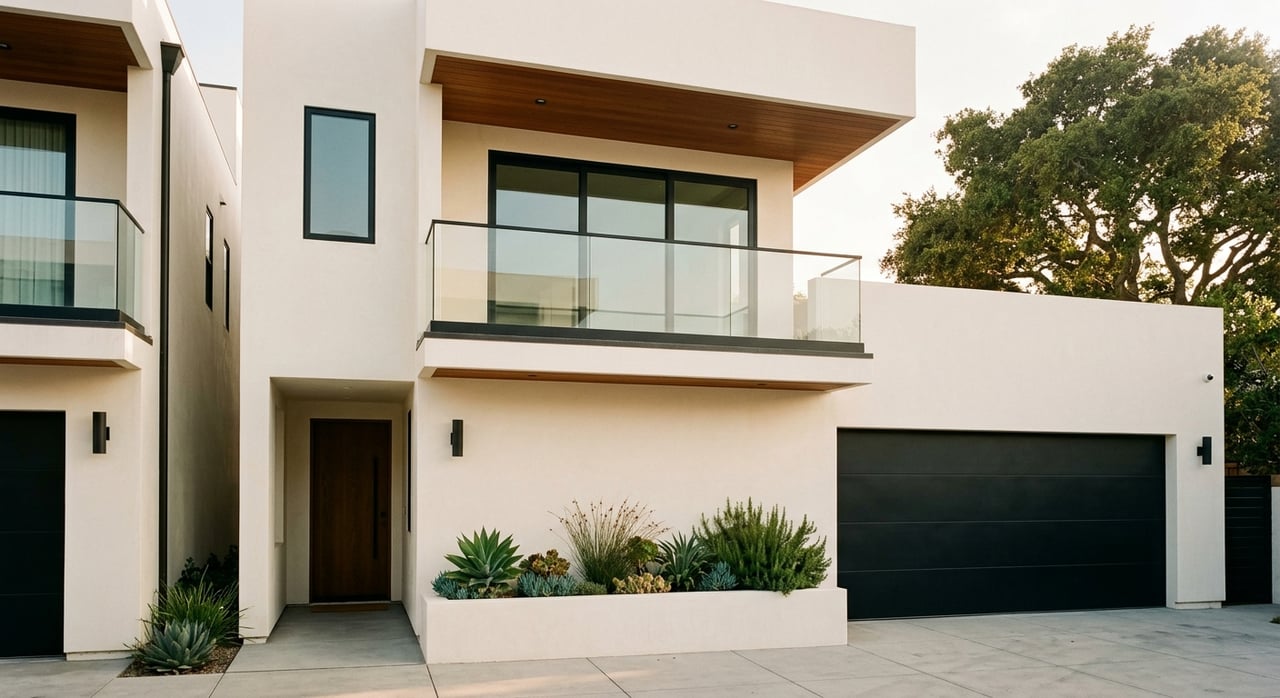
If you are thinking about buying a condo or townhome in Pacific Beach, the photos rarely tell the whole story. In this part of coastal San Diego, two homes that look similar online can offer very different ownership rights, parking setups, HOA rules, and day-to-day living experiences once you move in. This guide will help you look past surface appeal so you can compare properties more confidently and make a smarter decision in Pacific Beach. Let’s dive in.
Pacific Beach Buying Starts Local
Pacific Beach is a dense coastal neighborhood where residential, commercial, and beach activity all overlap. The City of San Diego describes it as eclectic and diverse, with nearly 47,000 residents, about 1,500 businesses, more than two miles of shoreline, and heavy summer crowds.
It is also a market with limited room for major new development. The community plan notes that roughly 97% of the area is already developed, which means you will usually be choosing among existing condo buildings, attached-home projects, conversions, and infill opportunities rather than brand-new land development.
That matters because in Pacific Beach, micro-location can change the ownership experience block by block. A home near the boardwalk, close to a commercial corridor, or farther north toward Tourmaline can feel very different in terms of noise, parking, access, and traffic patterns.
Why Micro-Location Matters in Pacific Beach
Pacific Beach sits between Interstate 5 and the ocean, with Mission Beach and Mission Bay to the south and La Jolla to the north. It is one of San Diego’s busiest beach areas, and the shoreline north of Crystal Pier includes a boardwalk extension and public parking at Tourmaline Surfing Park.
For you as a buyer, that means the location question is not just "How close am I to the water?" It is also "What does this block feel like during summer weekends, evenings, and peak visitor season?"
The Pacific Beach community plan says traffic congestion worsens in summer and parking is insufficient in some areas, especially on summer weekends and weekend evenings. Near the shore, competition for parking can be especially intense among residents, beach visitors, and commercial patrons.
When you tour a property, look beyond the unit itself and pay attention to details like:
- Distance to the beach and boardwalk
- Proximity to restaurants, bars, and retail corridors
- Ease of getting in and out by car
- Street parking conditions at different times of day
- Whether the property feels more residential or more visitor-oriented
In Pacific Beach, a few blocks can make a meaningful difference in daily convenience.
Condo vs. Townhome in California
One of the biggest points of confusion for buyers is the word townhome. In California, that term describes how a property looks, not necessarily how it is legally owned.
A home that appears to be a townhome may actually be part of a condominium project or a planned development. The legal structure determines what you own outright, what is considered common area, and what the homeowners association controls.
That is why the listing label is only the starting point. The more important question is how the project is recorded and what the governing documents say.
Ownership Rights Can Differ
According to the California Department of Real Estate, features like patios, balconies, porches, driveways, and parking spaces may be classified as exclusive-use common area instead of privately owned property. In plain English, you may have the right to use them, but you may not fully own them in the same way you own the interior of the home.
This distinction matters when you are evaluating privacy, maintenance responsibilities, and whether you can make changes later. A large patio or rooftop deck may look like a major value-add, but you will want to confirm exactly what rights come with it.
HOA Structure Matters More Than Style
Common-interest developments are managed through a formal HOA that maintains common areas and collects assessments. So if you are comparing two attached homes in Pacific Beach, do not assume they work the same way just because they have a similar layout or exterior design.
A careful review of the project documents can help you understand:
- What areas are individually owned
- What areas are common or exclusive-use common area
- Who handles maintenance and repairs
- What rules apply to modifications or rentals
HOA Due Diligence Before You Commit
In Pacific Beach, HOA review is not a side task. It is one of the most important parts of your purchase process.
Under California Civil Code, a seller in a common-interest development must provide key disclosure documents before transfer or contract execution. These can include the CC&Rs, information about assessment changes, any rental restrictions, recent board minutes if requested, and the latest inspection report.
If the association receives a written request, it must provide the requested documents within 10 days. That gives you a paper trail for understanding how the building is run and whether there are issues that could affect your costs or future plans.
What to Review Closely
The annual budget report is especially important. California law requires it to be distributed 30 to 90 days before the end of the fiscal year, and it must include reserve summaries, the reserve funding plan, deferred major repairs, the likelihood and timing of special assessments, outstanding loans, and a summary of HOA insurance policies.
For condominium projects, the report must also state FHA and VA approval status. That can matter for financing flexibility and future resale appeal.
When you review an HOA package, pay special attention to:
- Reserve funding levels
- Planned major repairs
- Any deferred maintenance
- Recent or upcoming assessment increases
- Special assessment risk
- Insurance summary details
- Board minutes that hint at recurring issues
In a heavily visited coastal market like Pacific Beach, these items can tell you a lot about how well the property is being maintained and whether costs may rise later.
Parking Is a Major Buying Factor
In many neighborhoods, parking is a convenience issue. In Pacific Beach, it can be a lifestyle issue.
The community plan identifies parking as a core local challenge, especially in the beach impact area. The City also points to local parking strategies such as variable on-street paid parking, residential permit parking, validation programs, shared parking efforts, and stronger enforcement.
That does not mean every property has a parking problem. It does mean you should treat parking as part of the home’s real value, not as an afterthought.
What to Ask About Parking
Before you buy, confirm details such as:
- Number of assigned parking spaces
- Whether spaces are tandem, uncovered, or garage spaces
- Availability of guest parking
- Storage for beach gear, bikes, or surfboards
- Loading or move-in rules
- Street parking conditions for visitors
Public parking exists near the beach, including lots serving Pacific Beach and North Pacific Beach, but that does not replace dependable private parking for daily living. In this neighborhood, a strong parking setup can make a property far more livable year-round.
Outdoor Space May Not Mean Full Ownership
Outdoor space is a big draw for coastal buyers, but it is important to verify what comes with it legally. A patio, balcony, porch, or yard may be visually tied to your unit while still being categorized differently in the governing documents.
The California Department of Real Estate explains that these features are often treated as exclusive-use common area. The same can apply to driveways and parking spaces.
That means you should confirm:
- Whether the space is deeded or exclusive-use common area
- Who maintains it
- Whether the HOA controls repairs
- What approval is needed for changes or upgrades
If you are imagining a future remodel, built-in grill, new deck surface, or enclosure, get clear answers first. This is one area where construction knowledge and document review can help you avoid expensive assumptions.
If Rental Income Is Part of the Plan
Some buyers in Pacific Beach want a primary home with future flexibility. Others are looking at part-time use, vacation-home potential, or income opportunities. If that is part of your thinking, you need to review both HOA rules and city rules.
Under California law, an owner generally cannot be subjected to a new HOA provision that prohibits leasing unless that restriction was already in effect before that owner took title. For buyers, the wording and effective date of rental restrictions in the CC&Rs matter.
At the city level, San Diego requires a Short-Term Residential Occupancy license for occupancy of less than one month. The city also states that a host may hold only one STRO license at a time and may not operate more than one dwelling unit for STRO at a time.
San Diego also requires a Transient Occupancy Registration Certificate for properties rented to transients and taxes occupancy of any structure, or portion of a structure, rented for less than one month. So if you are buying with Airbnb-style income in mind, do not rely on assumptions.
Check Both Layers of Rules
Before counting on rental income, verify:
- HOA rental restrictions
- Effective dates of any leasing limits
- City STRO licensing requirements
- Transient occupancy tax registration requirements
- Whether the property’s setup fits your intended use
A property can be acceptable under one set of rules and restricted under another. You want clarity on both before you close.
Coastal Insurance and Flood Questions
If you are buying closer to the shoreline, insurance deserves extra attention. FEMA notes that coastal flood hazards can include storm surge, waves, and erosion, and the City says recent flood insurance map updates include Pacific Beach coastal zones.
HOA budget disclosures summarize insurance coverage such as flood, earthquake, property, general liability, and fidelity insurance. That is helpful, but a summary is not the same as reviewing the actual policy details and understanding what may still be your responsibility as an owner.
If a property is near the coast, ask practical questions about:
- Flood map location
- HOA master insurance coverage
- Interior coverage responsibilities
- Deductible exposure
- Whether additional insurance should be explored
This is another area where buying close to the beach can involve different considerations than buying farther inland.
A Smarter Way to Compare Pacific Beach Homes
When you buy in Pacific Beach, it helps to think beyond finishes and square footage. A great-looking condo or townhome can become less appealing if the HOA is underfunded, the parking is weak, the outdoor space is more limited than expected, or the rental rules do not fit your plans.
A better approach is to compare each property through a practical lens: legal structure, HOA health, block-by-block location, parking reality, outdoor rights, and any rental or insurance concerns. That is often where long-term value and day-to-day satisfaction really show up.
If you want guidance comparing condo or townhome options in Pacific Beach, Scott Harden offers local, hands-on support backed by deep coastal market knowledge, careful property analysis, and a concierge approach built to protect your time and your investment.
FAQs
What should buyers know about condo vs. townhome ownership in Pacific Beach?
- In California, townhome is often an architectural description rather than a legal ownership type, so you should review the project documents to confirm what you own, what is common area, and what the HOA controls.
Why is parking such an important factor for Pacific Beach condo buyers?
- Pacific Beach planning documents identify traffic congestion and limited parking as ongoing local issues, especially near the shore and during summer weekends, so assigned parking, guest parking, and storage can strongly affect daily convenience.
What HOA documents should Pacific Beach buyers review before closing?
- You should closely review the CC&Rs, assessment information, reserve summaries, planned repairs, special assessment risk, board minutes if requested, inspection information, and the HOA insurance summary.
Can a Pacific Beach condo or townhome be used as a short-term rental?
- Possibly, but you need to confirm both HOA rules and San Diego short-term rental licensing and tax requirements before assuming the property can be used for rentals of less than one month.
Do Pacific Beach buyers need to worry about patios and balconies?
- Yes, because patios, balconies, porches, and similar spaces may be exclusive-use common area instead of fully owned private property, which can affect maintenance and modification rights.
How does location within Pacific Beach affect condo or townhome living?
- The experience can vary block by block based on distance to the beach, proximity to commercial activity, traffic patterns, parking demand, and how busy the area becomes during peak visitor season.
