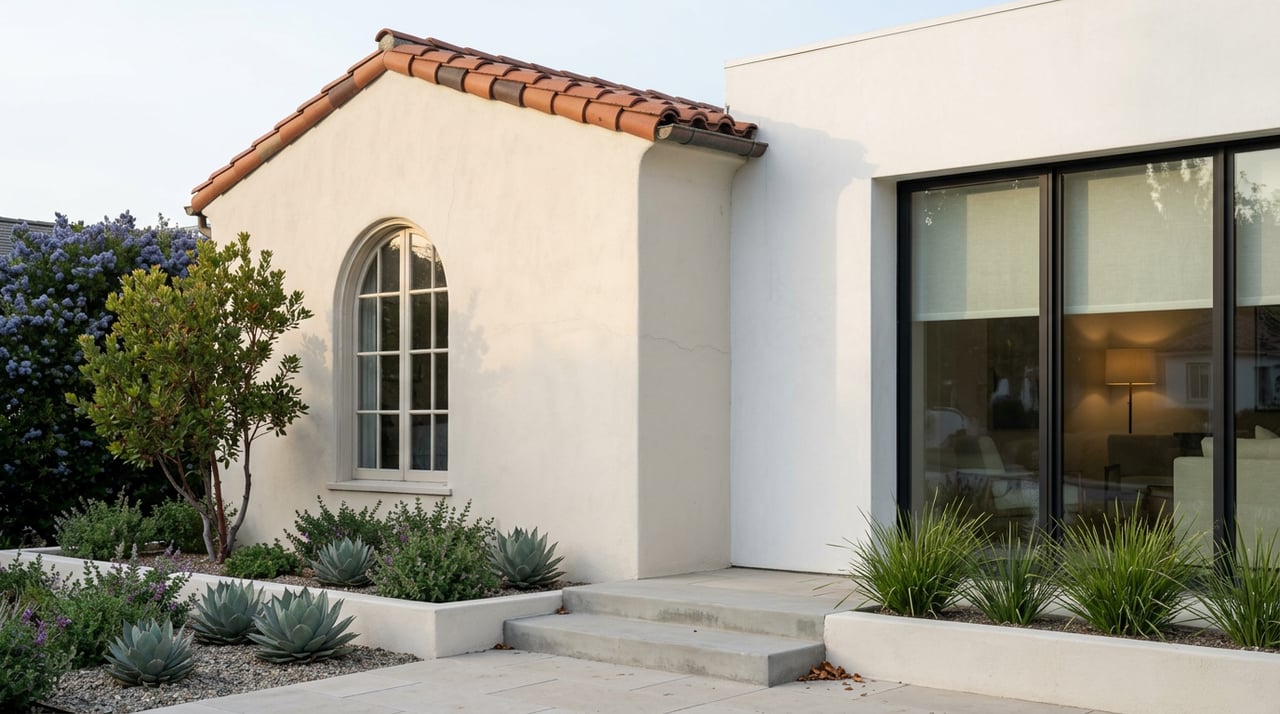
Do you light up at the sight of tiled roofs and arched doorways, or do clean lines, big glass, and smart systems feel like home? In Point Loma, choosing between a historic charmer and a modern build is more than style. It is about maintenance, code, coastal exposure, and how those pieces affect your budget and peace of mind. This guide gives you the local lens to compare both paths, what to inspect, and a simple framework to decide with confidence. Let’s dive in.
Point Loma at a glance
Point Loma is one of San Diego’s premium coastal neighborhoods, with a competitive market and a median sale price around $1.8 million. You will find a mix of early and mid 20th‑century homes and recent rebuilds across subareas like Loma Portal, Roseville and Fleetridge, Sunset Cliffs, La Playa, and Liberty Station. Proximity to the bay or the ocean bluffs changes everything from wind and salt exposure to geologic considerations. Views are a major value driver, and ocean‑facing lots may carry stricter reviews for bluff stability and coastal permits.
What you get with historic charm
Why buyers love older homes
If character speaks to you, Point Loma delivers. Classic homes often feature built‑ins, plaster walls, original millwork, small but well‑defined rooms, and unique details like clay tile roofs, arched entries, and exposed beams. You will see Spanish Revival, Craftsman bungalows, and mid‑century touches throughout the peninsula. For a sense of the area’s architectural DNA, explore this overview of classic San Diego home styles from San Diego Magazine: a tour of classic San Diego architecture.
Age‑related risks to budget for
- Termites and wood‑destroying organisms are routine in Southern California’s climate. A licensed WDO inspection is standard, and findings often drive repairs or concessions. Learn how pros diagnose and treat these issues from UC IPM’s termite guide.
- Older electrical systems can include knob‑and‑tube wiring, cloth‑insulated conductors, or legacy panels like some Federal Pacific and Zinsco models. These raise safety, insurability, and lender concerns. The Consumer Product Safety Commission has published guidance on FPE panels; review their FPE breaker information.
- Lead paint and asbestos are common in pre‑1978 construction. Any renovation that disturbs painted surfaces must follow the EPA’s Renovation, Repair and Painting (RRP) program. Suspect materials such as old floor tiles, pipe insulation, or textured ceilings should be tested for asbestos before demolition; see industry guidance on asbestos testing and removal basics.
- Plumbing and mechanicals may be near end of life. Galvanized supply lines, cast‑iron or clay sewer laterals, and aging HVAC and water heaters are common in older homes. In coastal settings, metal components tend to corrode faster.
Coastal wear that changes the lifecycle
Salt air accelerates corrosion of fasteners, flashing, railings, and outdoor equipment, and it can shorten paint and finish lifespans. FEMA’s coastal guidance highlights why corrosion‑resistant materials and more frequent service are essential near the ocean; see the FEMA P‑499 coastal construction guide. Bluff‑top parcels in areas like Sunset Cliffs may also require geotechnical reports and coastal permit review. The City’s coastal hazard appendix explains how wave runup and setbacks are evaluated; review the City of San Diego coastal hazard and wave runup analysis.
Inspection priorities for older homes
Before you remove contingencies, plan for a few nonnegotiables:
- A full WDO/termite inspection with written findings and any clearance documents.
- A licensed electrician’s evaluation if you see vintage wiring, a suspect panel, or DIY splices.
- Lead disclosure for any pre‑1978 structure and an RRP‑compliant plan if you will renovate.
- Roof and exterior envelope inspection, with attention to rusted flashing and stucco cracks.
- A permit history check to confirm additions and major system upgrades were finaled. You can verify records through the City of San Diego permit portal.
What you get with modern builds
Turnkey living and efficient systems
Modern homes typically offer open floor plans, larger kitchens, higher ceilings, and integrated mechanical systems. You also get contemporary windows and insulation that improve comfort and energy use. Newer finishes and design often mean fewer near‑term projects and less guesswork on system age.
Code and solar advantages
California’s energy code, known as Title 24, requires most new low‑rise homes to include solar PV systems, with updated standards in the 2022 cycle. Builders document compliance at permit with energy forms and testing as applicable. It is smart to confirm the exact scope with the builder and the permit filing date, since requirements evolve. For background, review the state’s overview of the 2022 Building Energy Efficiency Standards.
Maintenance profile and warranties
New construction usually reduces near‑term capital risk. Many components carry manufacturer or builder warranties, and modern systems often perform more efficiently. That said, ocean‑exposed homes still need corrosion‑resistant fasteners, protected outdoor equipment, and diligent roof and exterior maintenance. If solar is included, ask for documentation on expected production, battery readiness, and warranty terms so you understand long‑term value.
Tradeoffs to weigh
- Pros: modern systems, energy performance, fewer immediate surprises, and usually easier permitting and insurance.
- Cons: less period detail and some buyers prefer the patina of an original Point Loma home. In certain pockets, new builds that capture views or maximize square footage can carry a higher price per square foot.
Coastal factors that change the math
- Where you sit on the peninsula matters. Ocean‑facing homes experience more wind and salt spray, which can shorten exterior lifecycles and raise maintenance frequency. Bay‑side locations usually see less exposure.
- Bluff proximity adds complexity. Cliff‑edge properties often require geotechnical documentation for construction or additions, and local rules can restrict armoring or replacement if erosion advances. The City’s coastal hazard analysis explains how engineers assess these sites.
- Insurance and lending can hinge on details. Older electrical systems, unpermitted work, or cliff proximity can affect underwriting. Get ahead of it by discussing the property profile with insurers early; this primer on insuring older homes outlines common hurdles: insuring older homes.
Showing checklist: what to ask and spot
Use these questions and red‑flag checks during showings and in your offer contingencies.
Universal checks for any home
- Signs of water intrusion or patching inside and in the attic or crawlspace.
- Roof age and condition, especially at chimneys and valleys. Ask for recent service records.
- Site drainage, grading away from the foundation, and retaining wall condition.
- Flood or tsunami exposure and any past claims. For cliff sites, ask about historic bluff retreat and request available geotechnical documentation.
If the home is older or historic
- Ask for any current termite or WDO reports and whether clearance has been issued. Learn what a complete inspection covers from UC IPM’s termite guide.
- Ask directly about knob‑and‑tube wiring, cloth‑insulated conductors, aluminum branch circuits, or legacy panels such as Federal Pacific or Zinsco. If present or suspected, bring in a licensed electrician. The CPSC’s FPE information explains why these panels are flagged.
- Request the permit history for additions and system upgrades, then verify through the City of San Diego permit records. Unpermitted work is a negotiation point and can affect lending and resale.
- Ask when the roof, sewer lateral, water heater, HVAC, and major plumbing were last replaced.
- If pre‑1978, request lead disclosures and plan for EPA RRP‑compliant renovation. Test suspect materials for asbestos before any demolition.
If the lot is bluff or ocean‑facing
- Request prior geotechnical reports, bluff‑setback calculations, and any Coastal Development Permits. The City’s coastal hazard guide outlines how armoring and setbacks are regulated.
A simple decision framework
Use this quick lens to prioritize what matters to you.
- Choose historic charm if you value original details, accept ongoing maintenance, and can budget for potential system upgrades. Expect specialist inspections and the possibility of electrical, plumbing, or envelope work.
- Choose a modern build if you want turnkey living, energy efficiency, warranties, and fewer unknowns in the first years of ownership. You may pay a premium for new construction that optimizes views and space.
- Take a neutral approach by listing nonnegotiables and costs you can absorb. Views, floor plan, and period details often top the list. Quantify near‑term versus long‑term costs through inspections. Electrical, foundation, roof, and WDO findings usually drive the biggest negotiations.
Next steps with your agent
- Pull the address’s permit history and finaled records through the City of San Diego portal.
- Order inspections based on property type: general home inspection, licensed WDO inspection, electrician’s evaluation if vintage wiring is suspected, sewer scope, and geotechnical opinions for bluff or steep lots.
- If the home is pre‑1978 or you plan to remodel, follow the EPA’s RRP guidelines and test suspect materials for asbestos before demolition.
- Check insurability early by sharing property age, electrical system type, and location factors with insurers. See common underwriting issues in this guide to insuring older homes.
- For ocean‑exposed homes, plan a maintenance conversation. FEMA’s coastal construction guide shows why corrosion‑resistant detailing and service schedules matter in salt air.
- For new builds, confirm Title 24 energy compliance, PV system sizing, and warranty coverage. Review the state’s 2022 energy standards overview and ask the builder for documentation.
Ready to compare real homes?
Point Loma gives you two great paths: irreplaceable character or modern convenience. With the right due diligence, you can capture the look you love and the performance you need in a coastal setting. If you want curated options and a plan to navigate inspections, permits, and coastal considerations, connect with Scott Harden for tailored guidance and on‑the‑ground support.
FAQs
What should I expect to maintain on an ocean‑facing Point Loma home?
- Salt air speeds corrosion of metal and shortens exterior coating lifespans, so plan more frequent roof flashing checks, exterior painting, and service for outdoor equipment; see FEMA’s coastal guidance for best practices.
Which inspections are essential for pre‑1978 homes in Point Loma?
- A WDO/termite inspection, electrical evaluation if vintage systems are present, lead disclosure with EPA RRP‑compliant plans for any renovation, and asbestos testing before demolition are key.
Does California require solar on new homes in Point Loma?
- Most new low‑rise homes must include solar PV under Title 24; confirm the exact requirements with the builder and permit filing date, and review the state’s 2022 energy standards.
How do blufftop rules affect remodeling in Sunset Cliffs?
- Projects near the bluff often require geotechnical reports, setback analysis, and Coastal Development Permits; consult the City’s coastal hazard and wave runup analysis and engage specialists early.
Can older electrical panels delay closing in Point Loma?
- Yes. Legacy panels like some Federal Pacific or Zinsco models can raise safety and insurance concerns, often triggering electrician evaluations or upgrades; see CPSC’s FPE panel information for context.
